HKDSE Revision Strategies That Actually Work in the Final Months
Why the Final Stretch Feels Like Running Up a Hill
It’s October 2026, and if you are sitting in a classroom or at your kitchen table, you can likely feel the shift. The atmosphere has turned, and the HKDSE is no longer a distant threat on the calendar; it is a looming reality. For students, this is the phase where fatigue meets expectation. You might be watching your peers navigate the complexities of university applications, similar to the debates happening in the US regarding the value of traditional institutions versus alternatives, and wondering if your current study path is sufficient.
There is a pervasive anxiety that ripples through international schools right now. It is not just about the content; it is about the feeling of running out of time. Much like the broader conversations in the UK about the pressures of early childhood development or the systemic challenges in schools, we see a recurring theme: we are asking a lot of our students. The pressure to perform in high-stakes exams can lead to a 'cliff edge' mentality, where you fear that one missed deadline or one poorly understood concept will derail your future.
What You Should Actually Do This Week
Stop trying to re-read your entire textbook. It is the most common trap for high-achieving students. Instead, shift your focus to 'active recall' using past papers. If you are doing Paper 2 for Mathematics, do not just look at the solution; attempt the question under timed conditions, then physically write down exactly which step you got wrong. Was it the algebra? A misunderstanding of the geometric principle? That specific diagnostic is where your improvement happens.
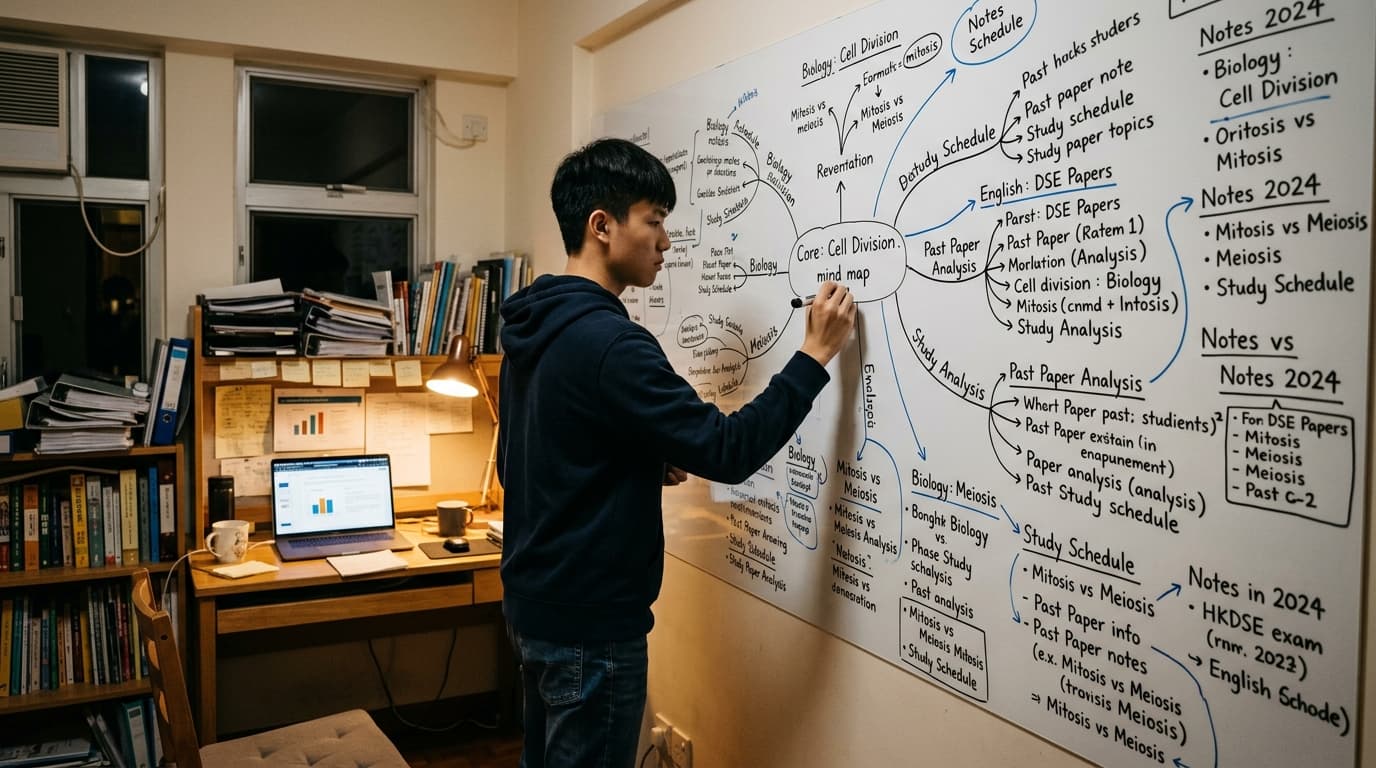
Your goal this week is to create a 'gap map' for every subject. Take a syllabus document, go through the bullet points, and rate your confidence in each topic from one to five. If you are a three or lower, that is your only priority. Do not waste time reviewing what you already know just because it makes you feel productive. Real revision is uncomfortable because it forces you to face what you don't know.
Managing the Noise for Parents and Teachers
Parents, your role is to be a steadying influence, not an additional source of stress. It is easy to obsess over your child's screen time or their late-night study habits, but monitoring their phone use is rarely as effective as facilitating a calm, consistent environment. If you want to support them, focus on the logistics: ensuring they have uninterrupted blocks of time, healthy meals, and a clear understanding that the exam is a hurdle to be jumped, not a definition of their human value.
Teachers, you are the ones managing the emotional pulse of the classroom. With reports suggesting that schools are facing an 'age of perpetual change' in technology and policy, your consistency is the best gift you can give your students. Help them navigate the sheer volume of information by curating the most relevant past paper questions rather than assigning more busy work. They need your expertise to filter the noise, not your help to add to it.
Common Myths That Lead to Burnout
The biggest myth in exam preparation is that more hours equal better grades. There is a diminishing return to studying that every student hits after about three hours of intense, uninterrupted work. If you are still grinding past that point, you are likely just re-reading words without absorbing them. It is better to study for two hours with total concentration than to sit at a desk for six hours with a phone in your hand.
Another misconception is that you must master every single detail of the curriculum. The HKDSE is a test of your ability to apply core concepts to novel questions. Focus on the 'why' behind the formulas and the structural patterns in the examiners' reports. Understanding how the test is marked is often more valuable than memorising another dozen facts that may never appear on the paper.
Staying Grounded When the Stakes Feel High
Remember that the exam system is a mechanism, not a life sentence. While the global discourse on education—from debates over university outcomes to the changing landscape of school policies—can feel overwhelming, your focus must remain singular. Use the tools at your disposal, such as Revui, to automate the process of tracking your progress and identifying your weakest areas, so you can spend your limited time actually fixing them. Keep your head down, trust the process you have built, and stop worrying about the headlines you cannot control.